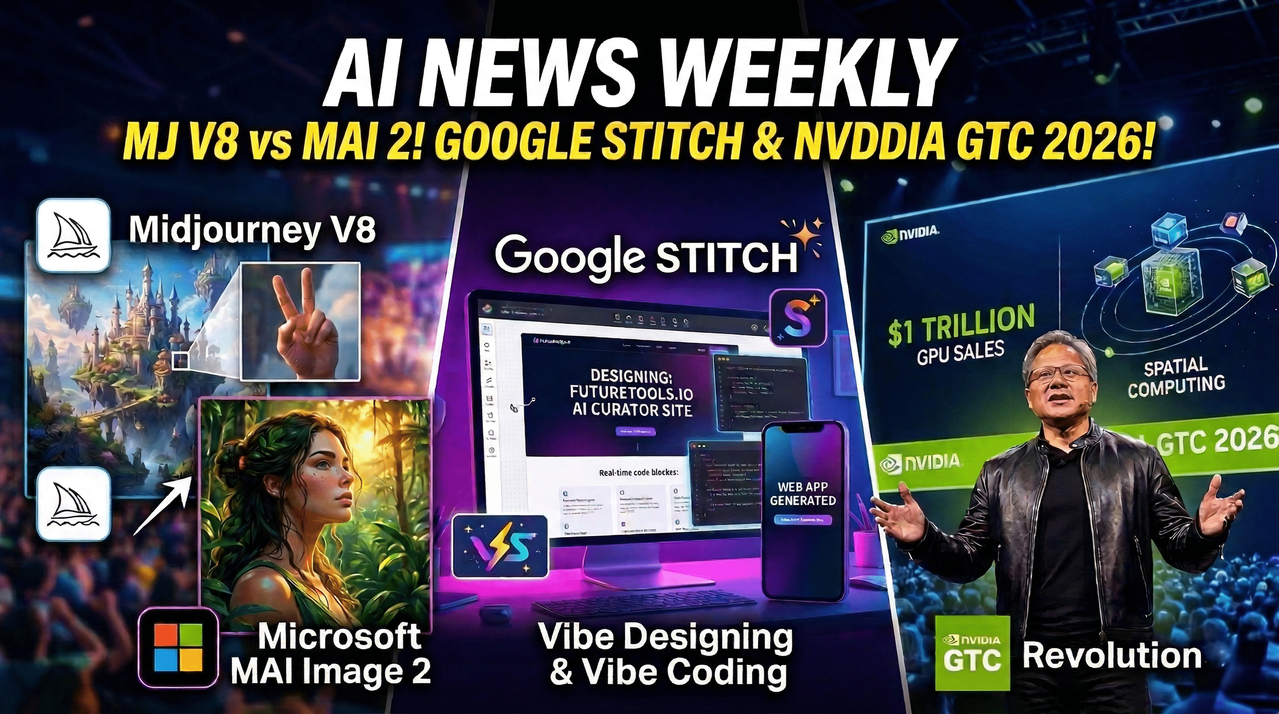
It’s been an explosive week in the world of AI! From the surprise release of Midjourney V8 and Google’s new native design tools (Stitch) to Nvidia’s staggering announcements on the future of spatial computing, we’re helping you separate the signal from the noise. Discover why "vibe coding" is a game-changer for developers and how Microsoft MAI Image 2 is challenging the throne of image generation. Don't waste time—here is the essential breakdown you can't afford to miss.
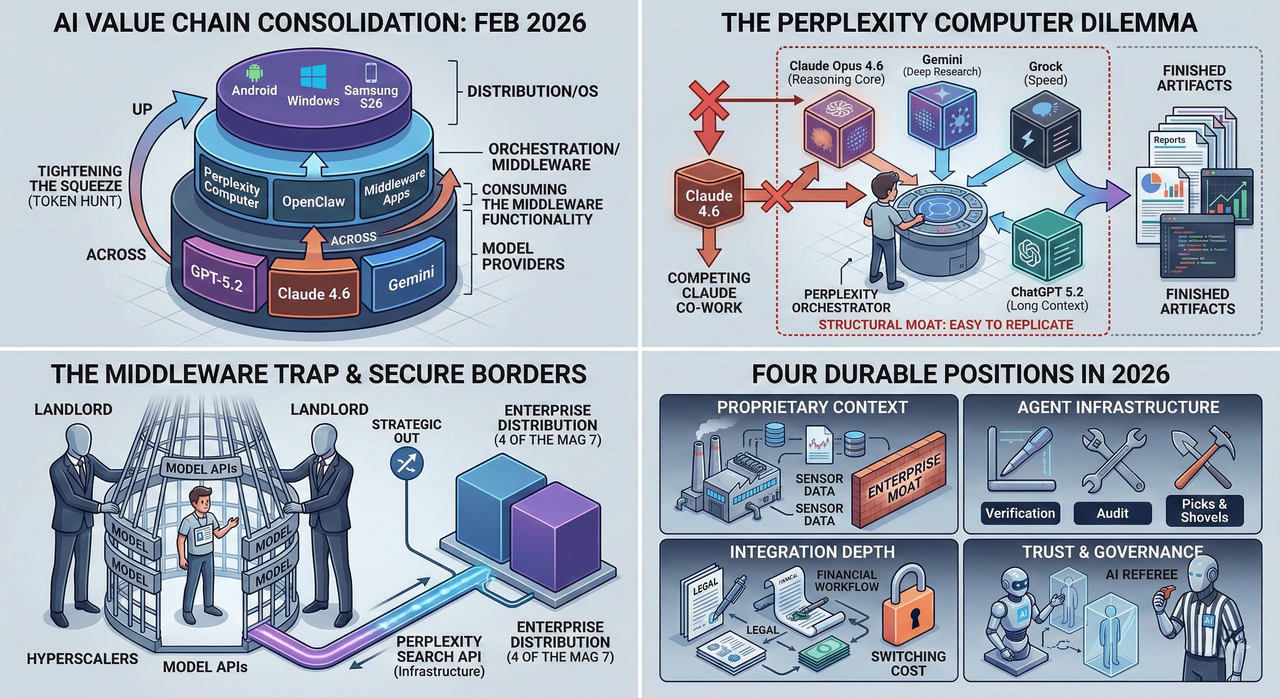
The February 2026 launch of Perplexity Computer represents a masterclass in multi-model orchestration, yet it exposes a growing structural crisis in the AI industry. As hyperscalers like Google and OpenAI collapse the stack to capture "trillions of tokens," middleware companies find themselves squeezed between the models they rent and the customers they don't yet own. This analysis explores the "Middleware Trap," the hunt for durable market positions, and why execution alone is no longer enough to survive the AI consolidation of 2026.
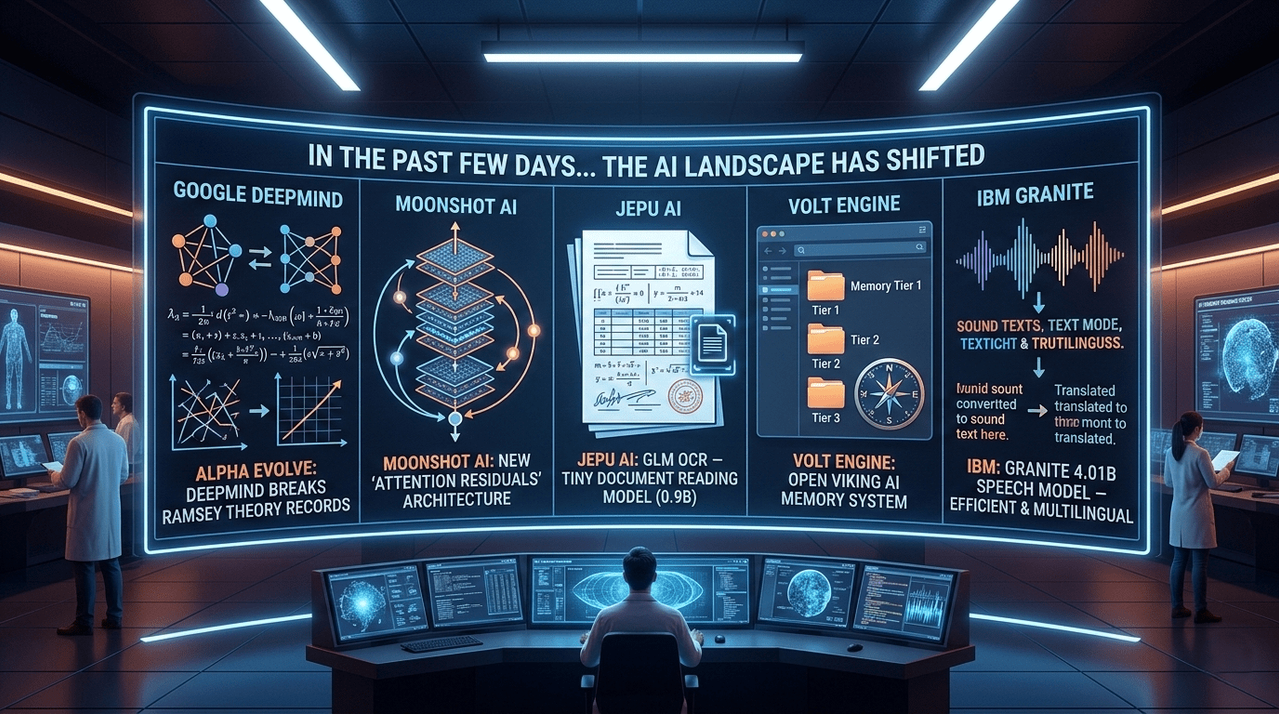
From Google DeepMind shattering decades-old mathematical records to IBM’s push for efficient, multilingual speech recognition, the past few days have seen a massive leap in AI capabilities. This week’s highlights include Alpha Evolve, a system that "evolves" its own algorithms to solve complex Ramsey theory problems; Moonshot AI’s new "attention residuals" that make deep networks 25% more efficient; and Open Viking, a system that organizes AI memory like a computer file system. Whether it’s reading messy documents with the tiny GLM OCR or deploying IBM’s modular Granite 4.01B speech model, the focus is shifting from "bigger is better" to smarter, faster, and more logical architectures.