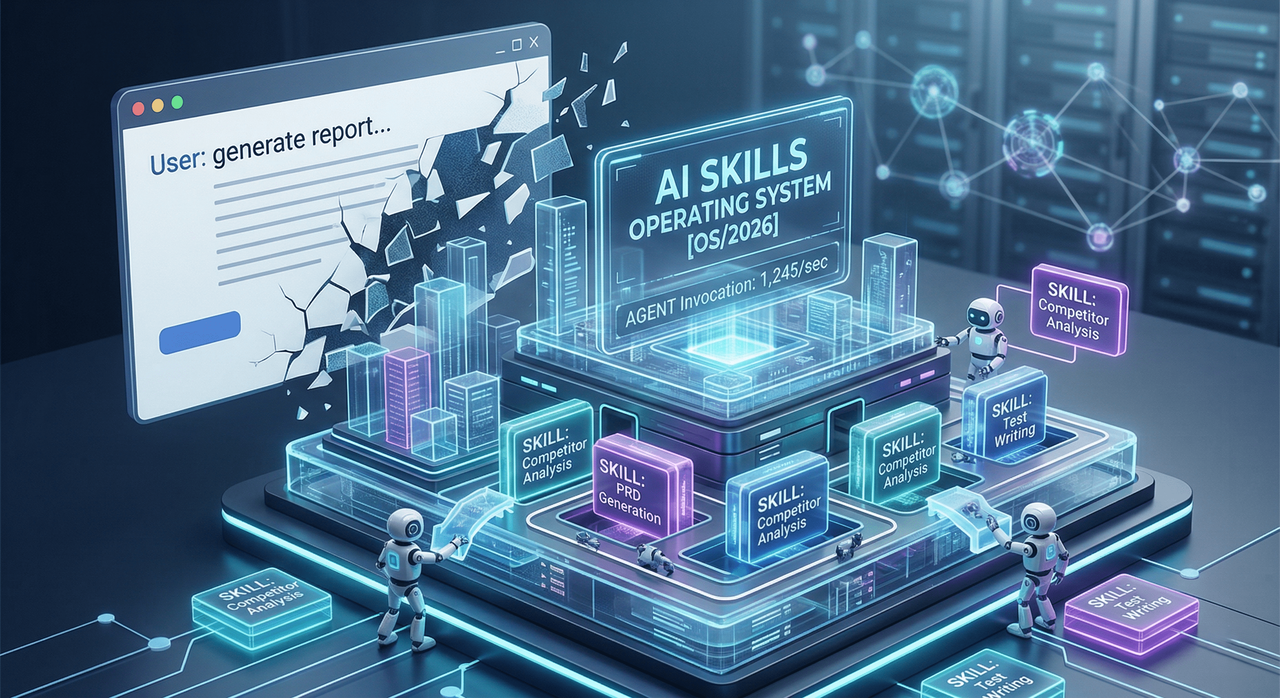
Stop living in copy-paste hell. Discover how AI Skills have evolved from personal prompts into a compounding organizational infrastructure. Learn to build agent-first, markdown-based skills that enable autonomous agents to deliver predictable, professional results at scale.
Discover major AI news: Anthropic’s leaked Claude Mythos model, Meta’s brain prediction tech (Tribe V2), the self-evolving Gwen Claw agent, and Alibaba’s new chip.
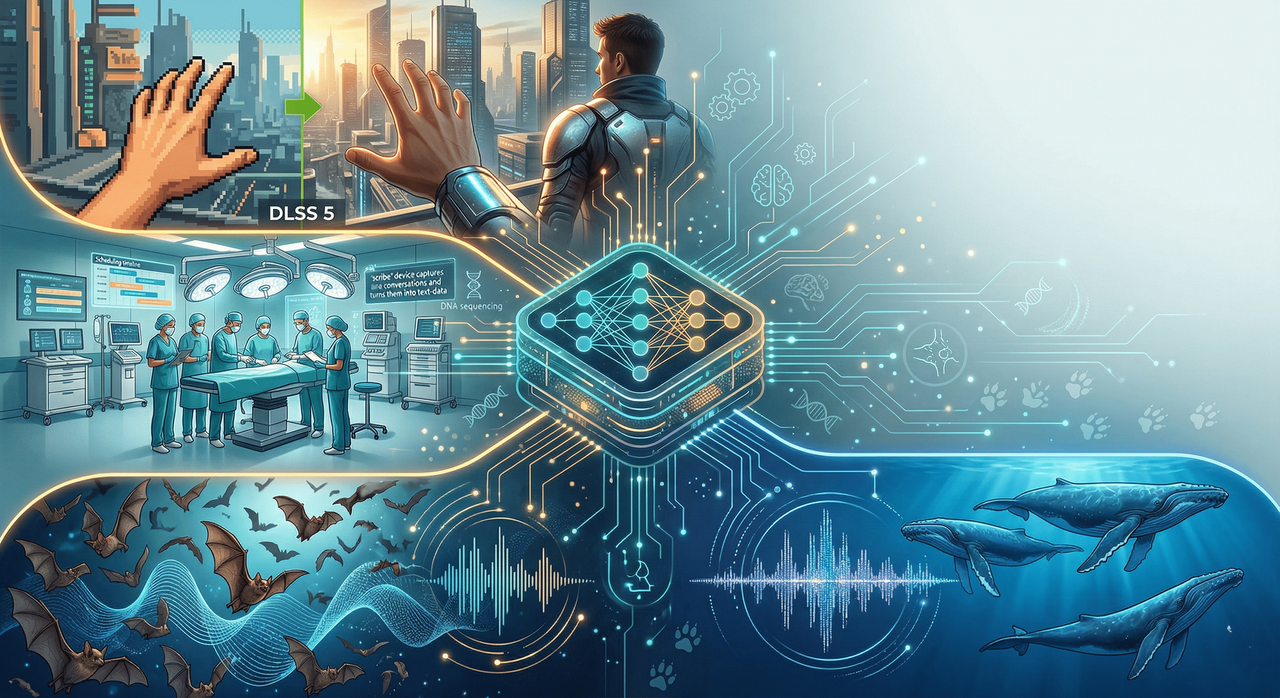
AI Decoded explores the shifting landscape of artificial intelligence. We dive into Nvidia's DLSS 5 and whether gamers truly want hyper-realism. Then, we look at the "boring" but vital AI saving the NHS through administrative efficiency. Finally, we ask if AI can bridge the gap between humans and animals, decoding the secret languages of bats and whales for us today
Explore the latest AI breakthroughs this week. Google’s Gemini 3.1 Flash brings massive speed to Gemini Live, while NotebookLM adds essential mobile notifications. Anthropic’s Claude introduces revolutionary "Computer Use" capabilities and project workspaces. Meanwhile, OpenAI shocks the industry by shutting down Sora! Stay ahead with our expert AI news update today!
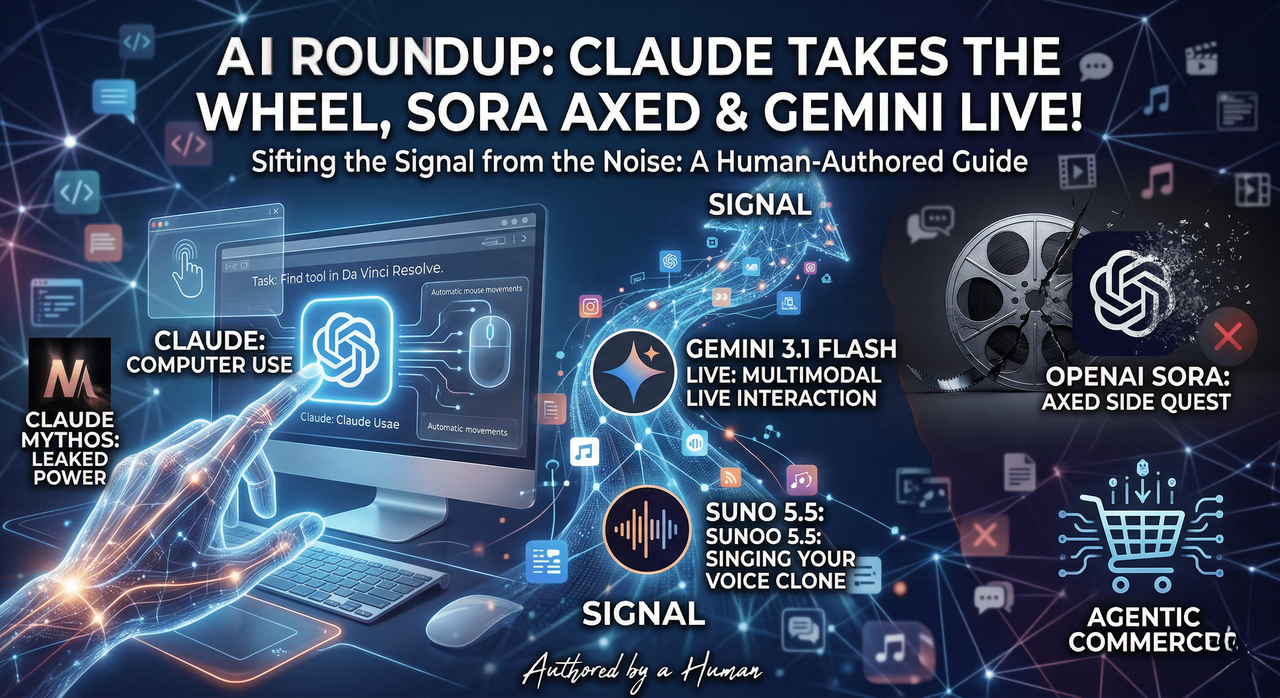
Anthropic’s new "Computer Use" feature lets Claude take the wheel of your PC, while OpenAI shocks the industry by canceling Sora to focus on "Agentic Commerce." Get the full breakdown on Google’s Gemini 3.1 Flash Live, Suno’s voice cloning, and the massive "Claude Mythos" leak. Sift through the noise and stay ahead of the curve with this week's essential AI updates.
In a shocking move that has blindsided the creative industry, OpenAI has announced the official shutdown of its text-to-video platform, Sora. Just months after a landmark $1 billion partnership with Disney, the tech giant is pulling the plug to refocus on robotics and "real-world" AI. Discover the three major reasons behind this abrupt exit—from staggering compute costs to the looming legal minefield of deepfakes and copyright.
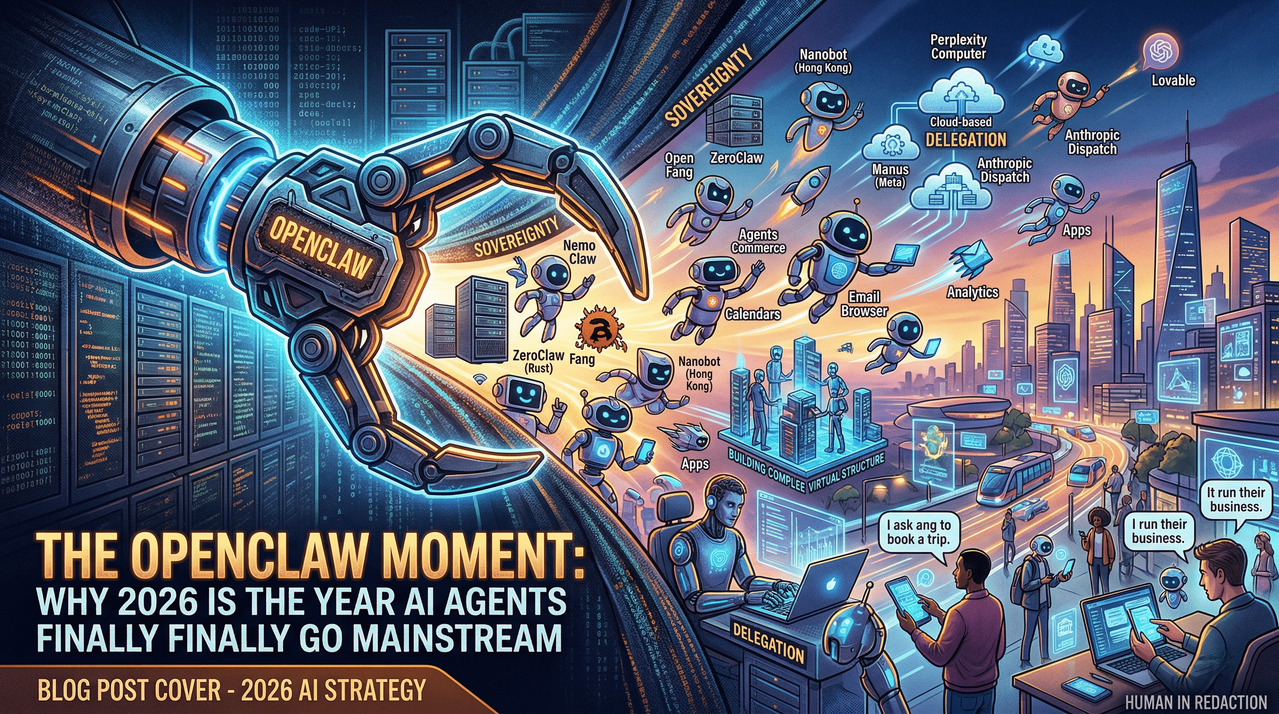
Forget the AI horse race headlines. The real story of 2026 is how OpenClaw forced every major tech player to place a different bet on the future of autonomy. Whether it is Meta distribution play with Manus, Perplexity cloud delegation, or Anthropic push for safety, the landscape has shifted. This article breaks down the three critical axes—Location, Orchestration, and Interface—that you need to understand to choose the right agent for your workflow. It is no longer about chatbots; it is about who you trust to run your digital life.
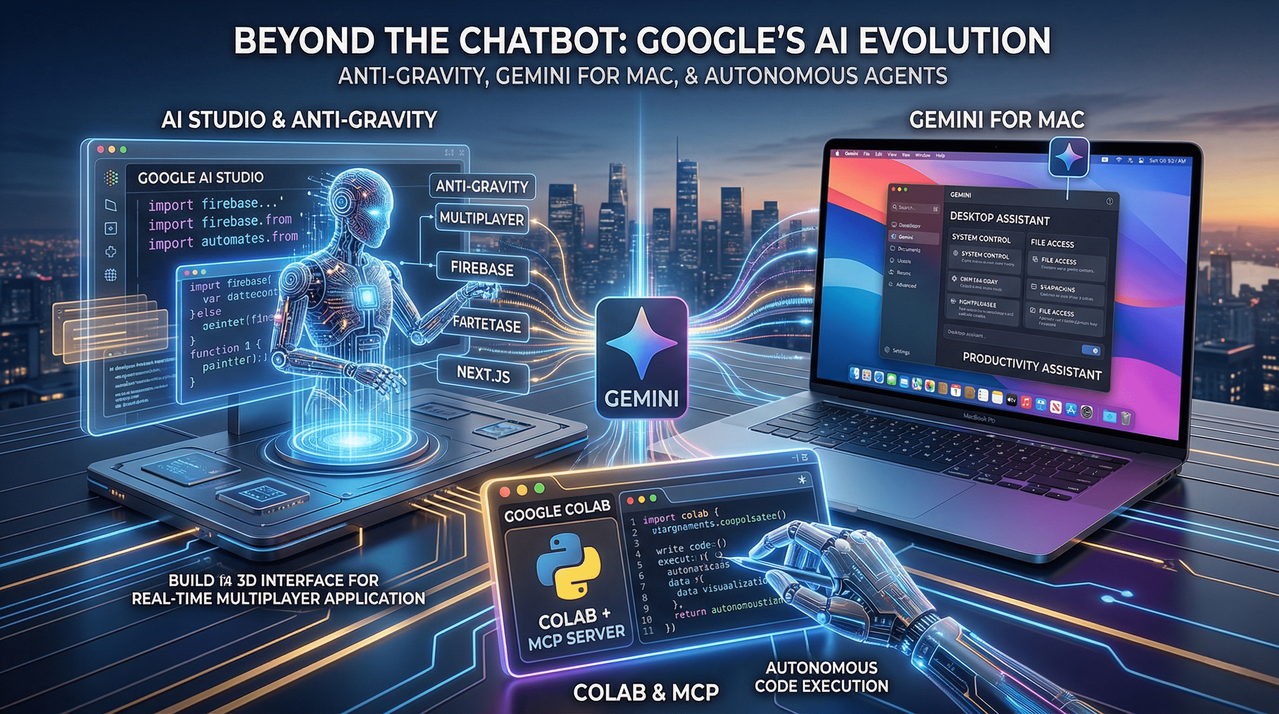
Google is no longer just tweaking Gemini; it’s overhauling the way we build and interact with technology. From the "production-ready" coding power of the new Anti-gravity agent to a long-awaited native macOS app and autonomous Google Colab servers, this massive update signals a shift from AI as a chatbot to AI as a core productivity backbone. Discover what these changes mean for your workflow and the future of software development.
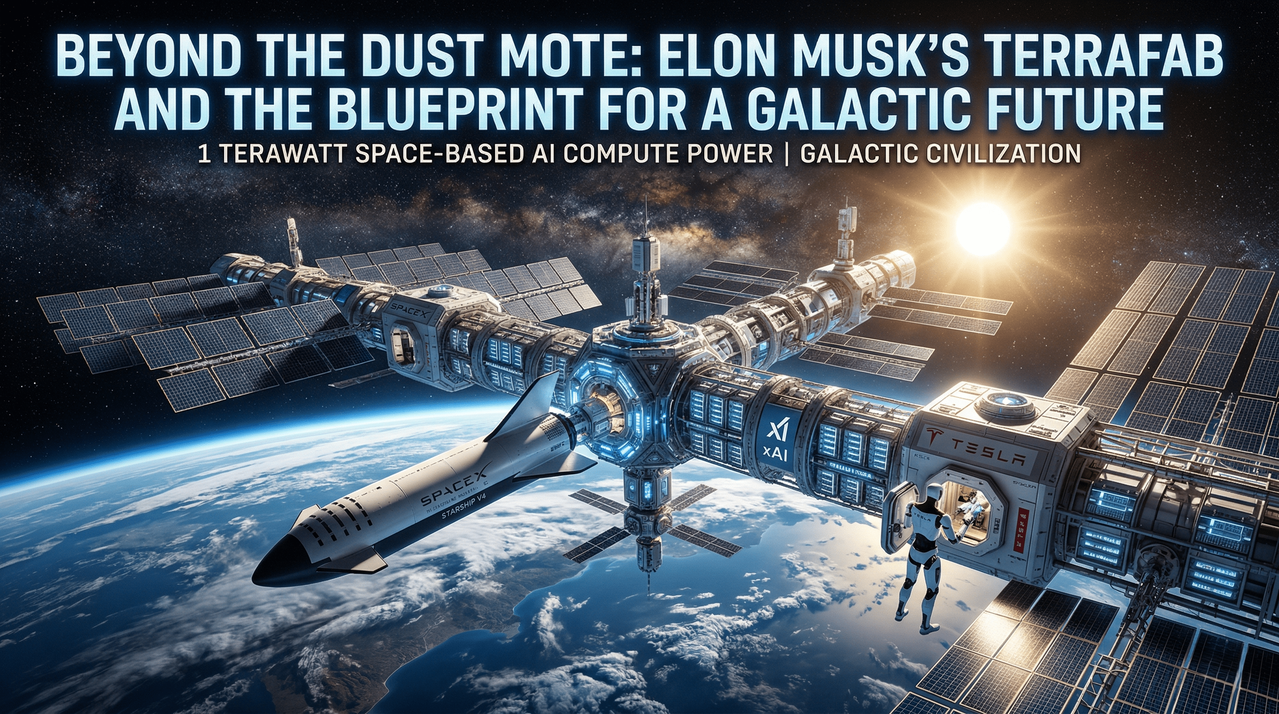
Elon Musk just unveiled the TerraFab—a massive collaboration between SpaceX, Tesla, and xAI designed to push us toward a Terawatt of compute. By moving AI into space and harnessing the "always sunny" power of the sun, we aren't just building better chips; we're building a multi-planetary civilization.
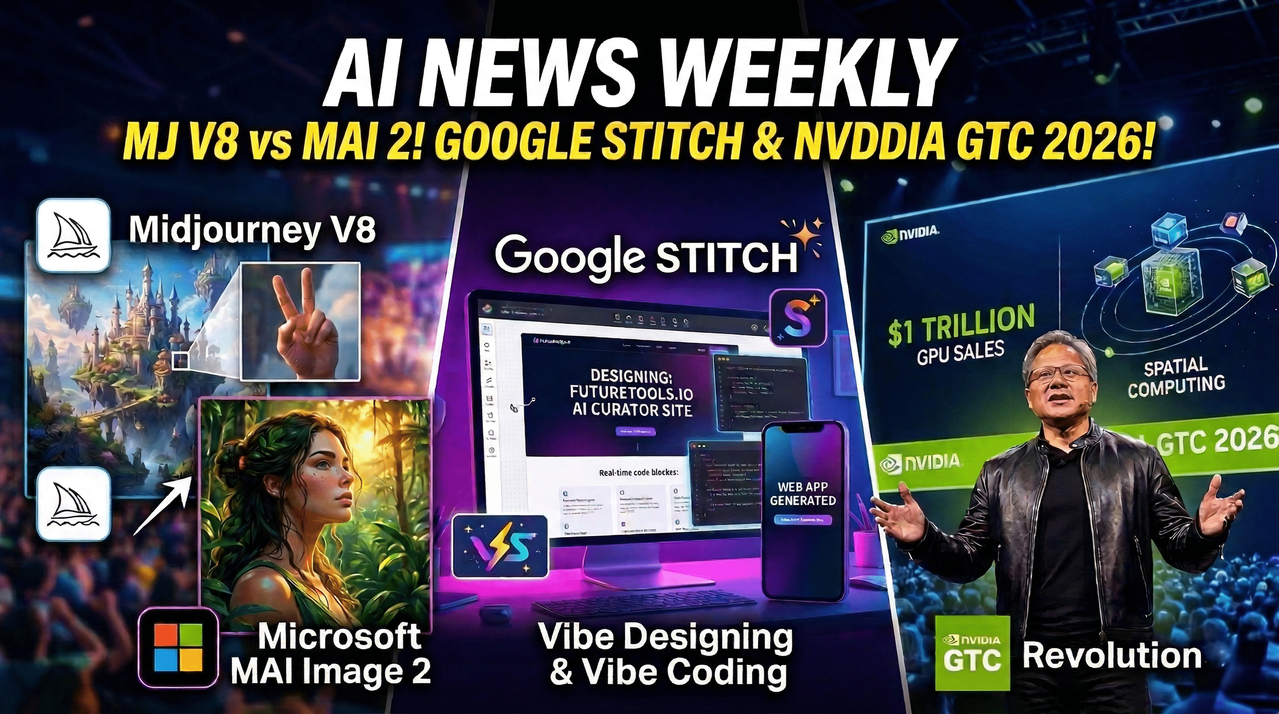
It’s been an explosive week in the world of AI! From the surprise release of Midjourney V8 and Google’s new native design tools (Stitch) to Nvidia’s staggering announcements on the future of spatial computing, we’re helping you separate the signal from the noise. Discover why "vibe coding" is a game-changer for developers and how Microsoft MAI Image 2 is challenging the throne of image generation. Don't waste time—here is the essential breakdown you can't afford to miss.