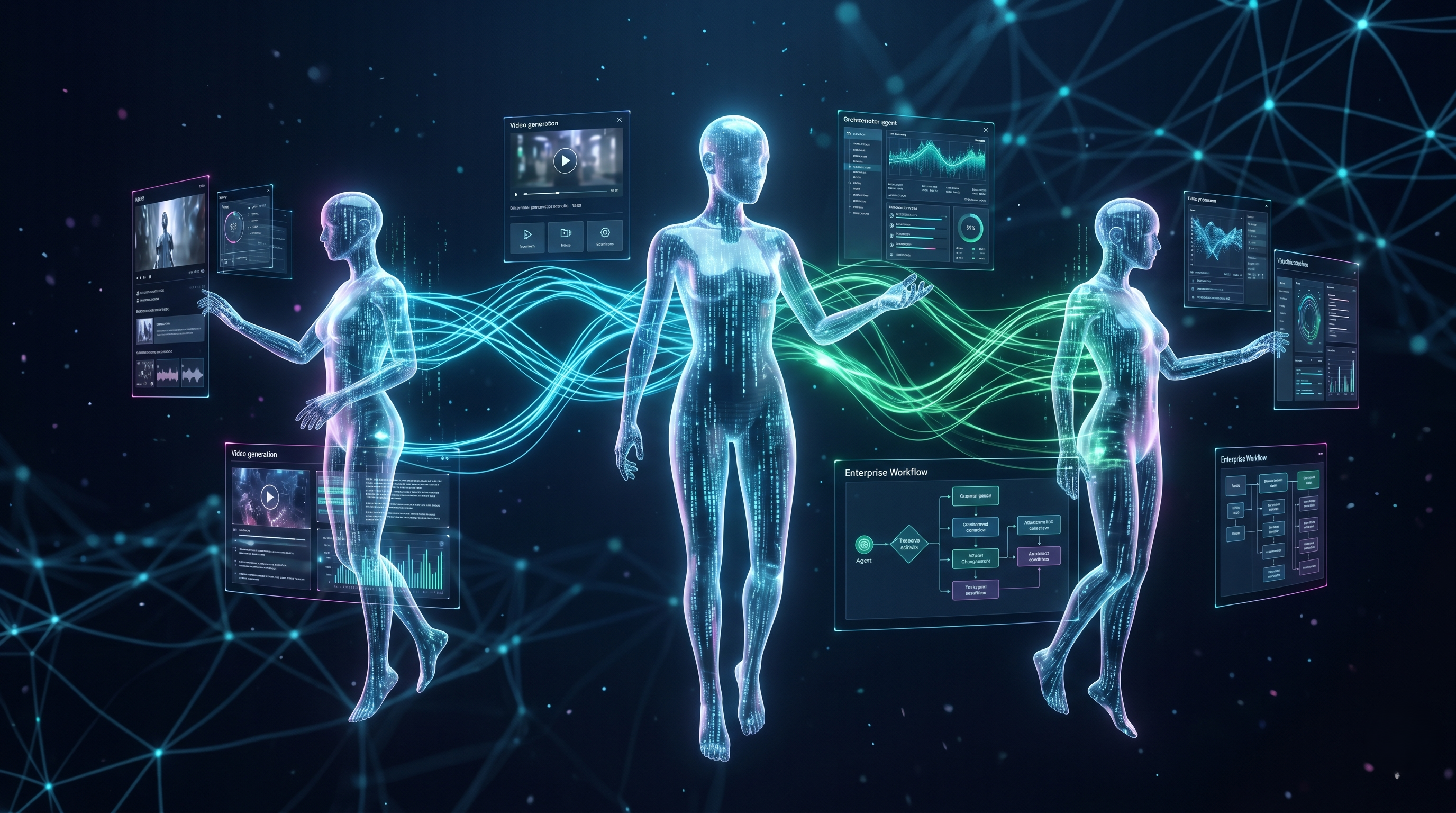
Discover the top AI trends dominating April 2026—from agentic AI and multi-agent orchestration to sustainable computing, multimodal advances, and real enterprise ROI. Analysis based on Deloitte, Stanford AI Index, NVIDIA, and industry reports. Updated mid-April 2026.
Discover the top 7 AI trends dominating April 2026 — from agentic AI and Microsoft $10B Japan bet to humanoid robots and new global regulations. Stay ahead.
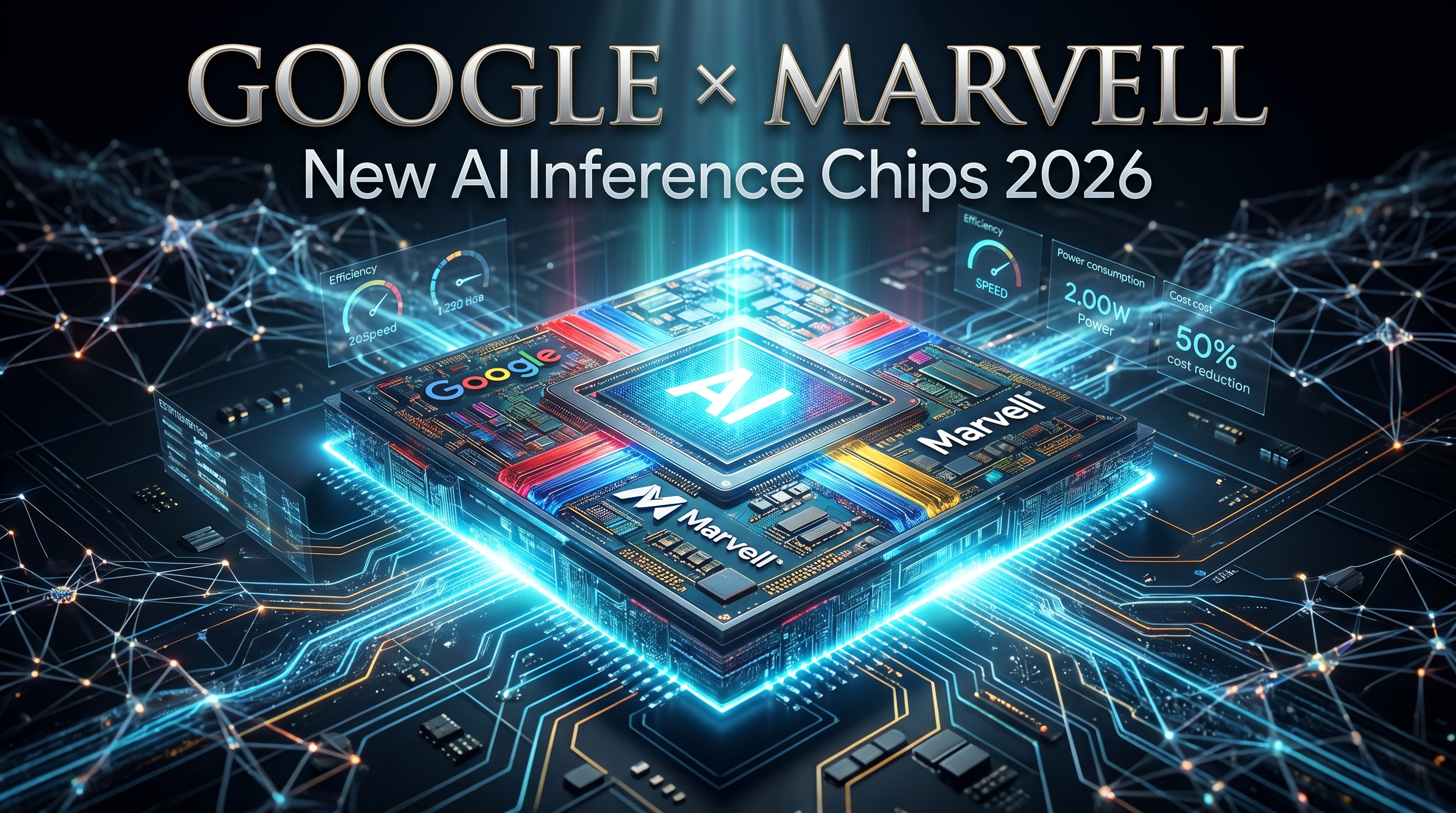
Google is negotiating with Marvell Technology to co-design two new AI inference chips — a memory processing unit and a dedicated inference TPU. Here is what it means for the $118B custom ASIC market, Nvidia, Broadcom, and investors.
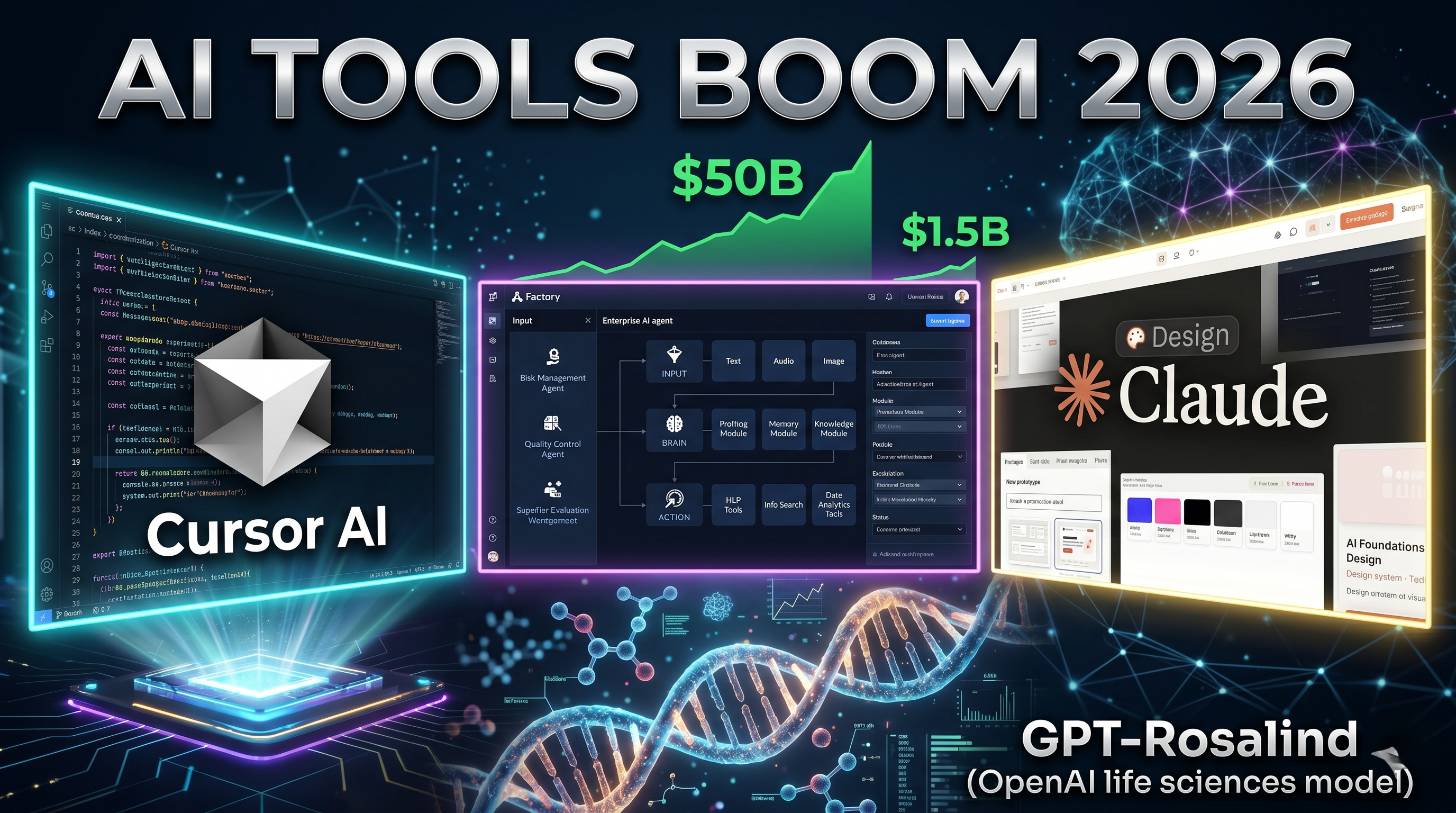
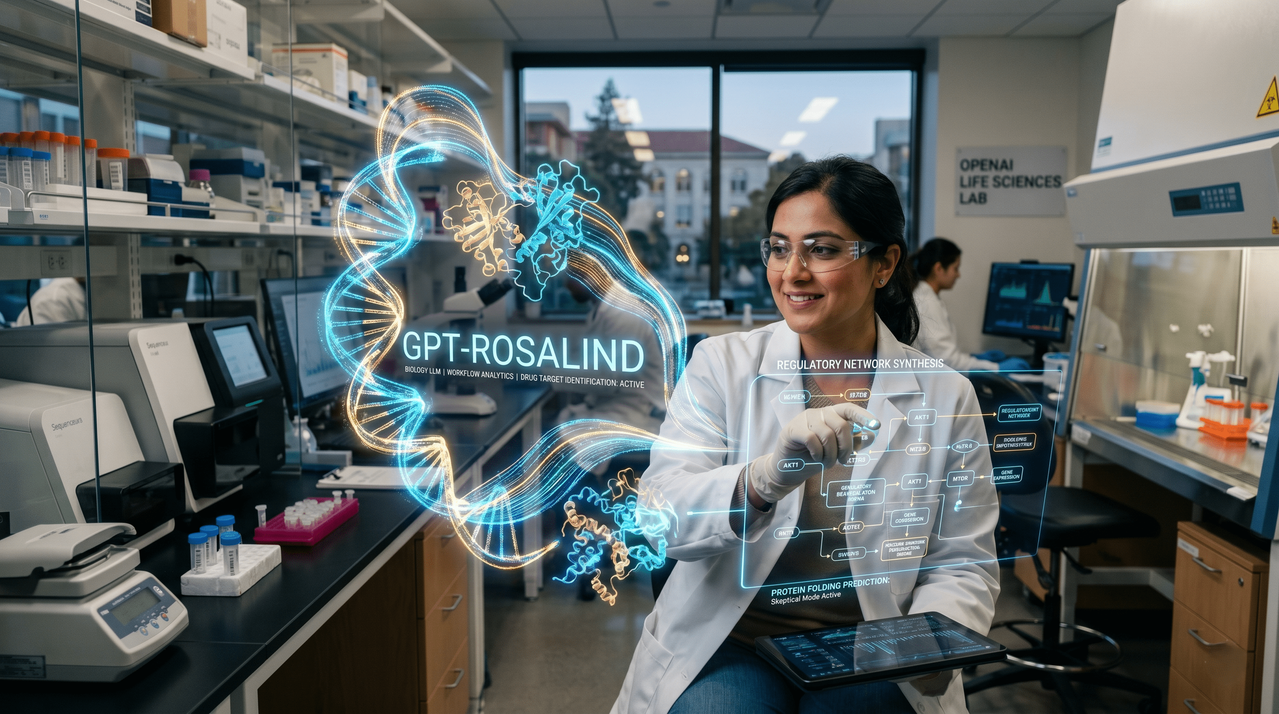
Discover the latest AI developments in April 2026: Cursor in talks to raise $2B+ at a $50B valuation, Factory reaches $1.5B valuation, Anthropic launches Claude Design for visuals, and OpenAI releases GPT-Rosalind for life sciences research along with major Agents SDK upgrades.
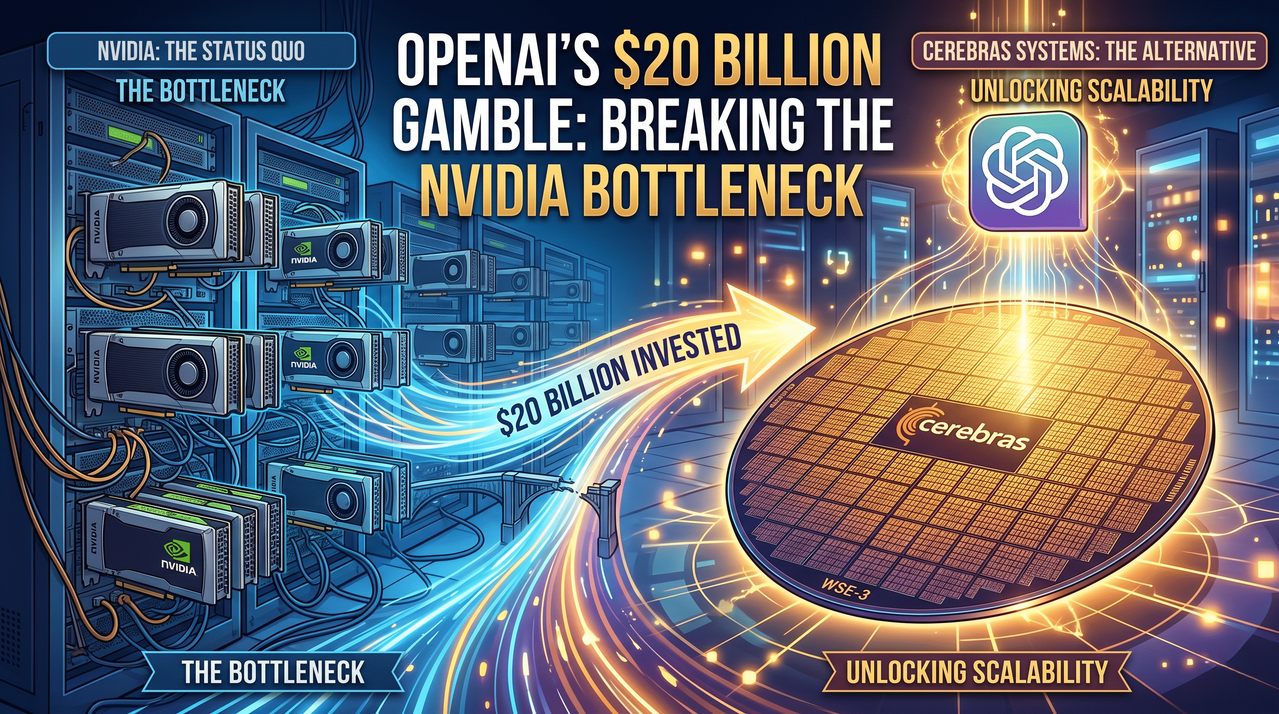
Cerebras Systems, a major Nvidia competitor in AI hardware, has filed its S-1 for a 2026 IPO on Nasdaq under ticker CBRS. Discover 2025 revenue of $510M, the massive $20B+ OpenAI partnership, and what this means for investors in the AI chip boom.
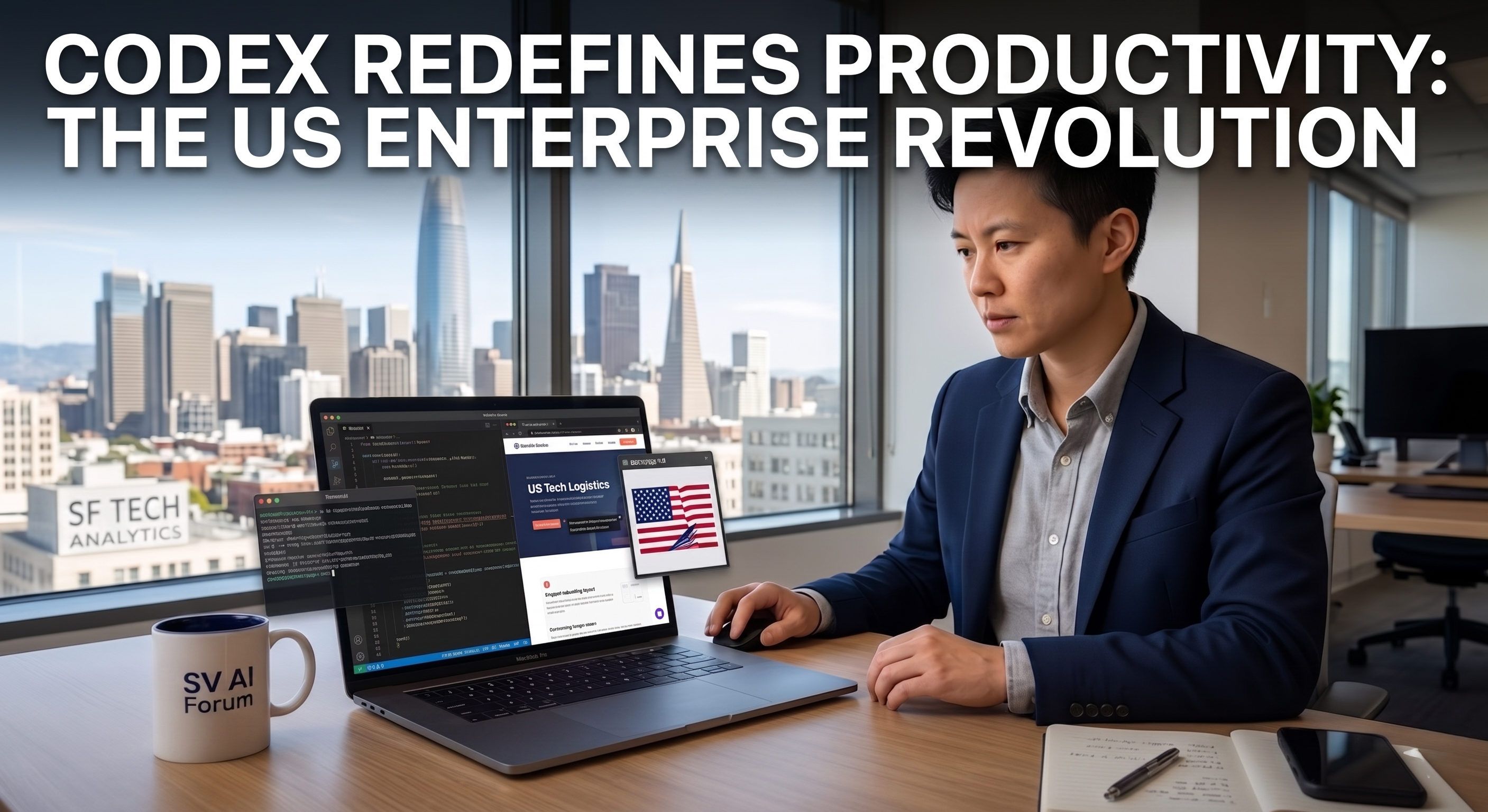
Discover how OpenAI new Codex update transforms workflows with background Mac agents, an in-app browser, and 90 plugins, building the ultimate tech super app.
Amazon is investing heavily in Australia AI infrastructure with 430 megawatts of clean energy. Discover how solar, wind, and cutting-edge battery storage are solving the 24/7 power demands of modern data centers and artificial intelligence.
OpenAI is reportedly placing a massive $20 billion bet on AI chips from Cerebras Systems. Discover why this strategic move away from Nvidia could redefine the future of massive computing power and AI infrastructure.
OpenAI introduces GPT-Rosalind, a highly specialized LLM trained for biology workflows. Restricted to US entities, it aims to accelerate global life sciences.
Discover the 2026 cyber outlook: From the rise of autonomous AI agents and deepfakes to the urgent shift toward quantum-safe encryption and secure passkeys.